New spiral heat exchanger joins stalwart unit to transform deodorization performance at Malaysian oil refinery
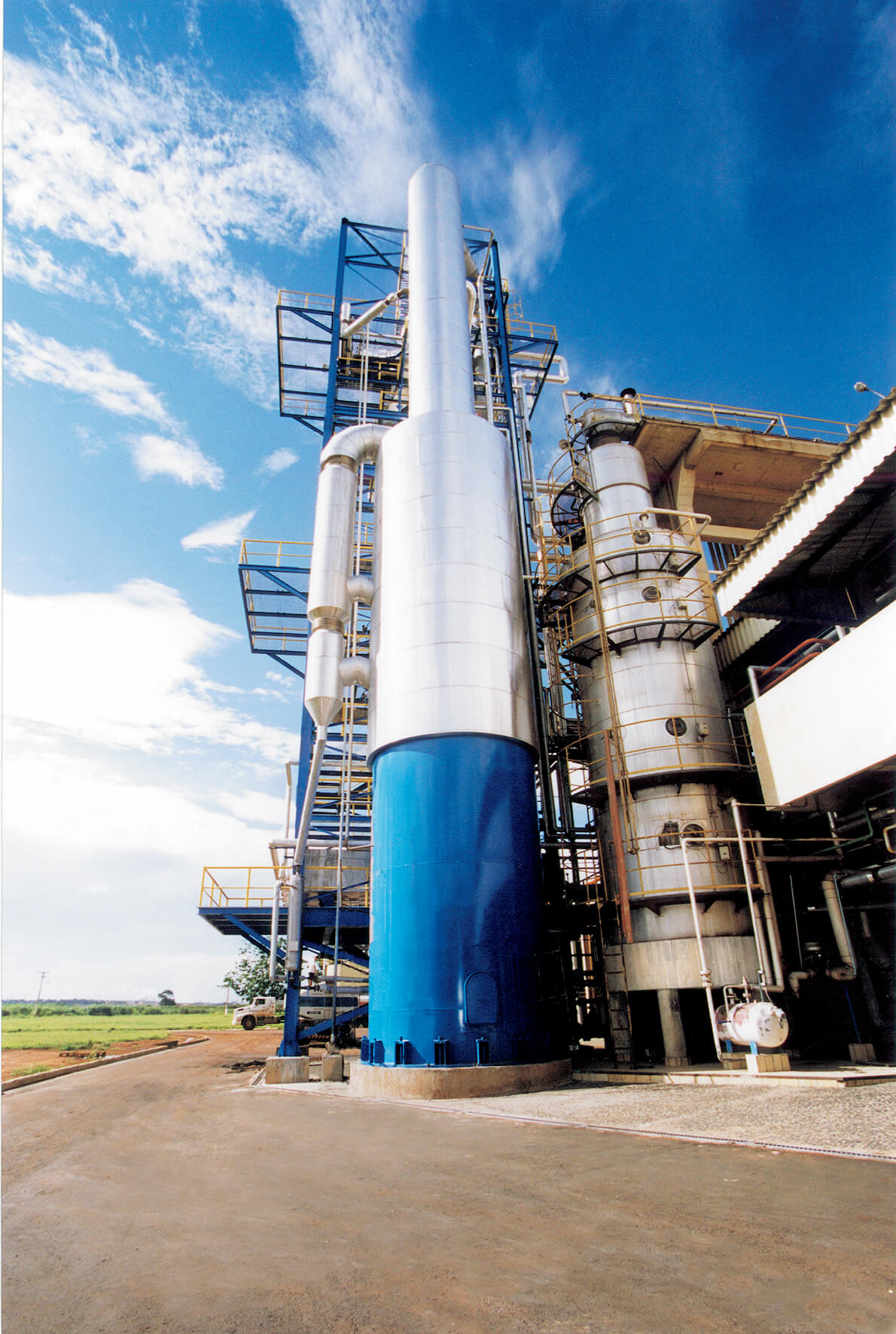
Installing a new Alfa Laval spiral heat exchanger in the deodorization plant of a Malaysian palm oil refinery has delivered fuel, energy, and CO2 emission savings on such a scale that the payback time on the purchase has been less than 12 months.
DATE 2026-04-28The oil economizer line for the deodorization process at the plant in the south of the country was originally designed by Alfa Laval and had been successfully using two of its spiral heat exchangers for around 35 years.
Looking to explore new ways to boost heat recovery efficiency and productivity, the customer contacted their local Alfa Laval team, who came up with the ideal solution.
MeiKit Wong, Inside Sales, Food Heat Transfer (Malaysia/Singapore) says: “The fact that the existing spiral heat exchangers had been performing for 35 years shows the robustness of our technology.
“We have a very successful, long-standing relationship with the customer, so when they were looking to see if they could boost performance, they had faith in our equipment and trusted us to deliver.”
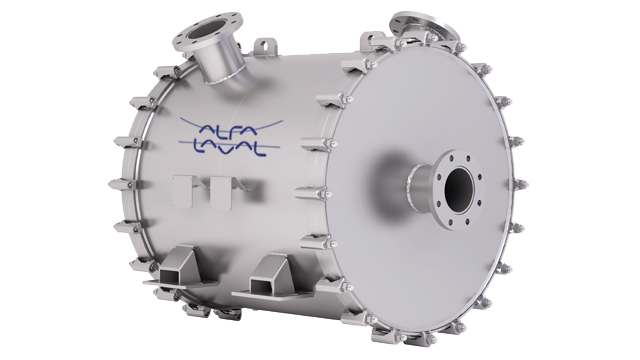
The solution was to replace one of the older models with a brand new, larger spiral heat exchanger, showcasing Alfa Laval’s advanced technological expertise.
The design features a single channel for each fluid, ensuring reliable self-cleaning of the unit, and this single-channel geometry also creates high turbulence to minimize fouling from the start.
Another secret behind the spiral is the true counter-current flow, which enables crossing temperature situations where the cold fluid can be heated to temperatures very close to those of the hot fluid. This effect is further enhanced by the high turbulence in the unit.
This robust welded heat exchanger also features a protection ring to limit the projection in case of leakage, a specific closing design to increase rigidity, and a specific reinforced cover to limit fluid bypass.
The new spiral heat exchanger was ordered in 2023, installed in late 2024, and since then has been delivering eye-catching results.
Eser Aydin, Senior Global Technology - Application & Process Engineer, says: “The product has to be robust because it is working at temperatures reaching 260° Celsius and the new heat exchanger, working with one of the existing units, is delivering high-quality performance while essentially being virtually maintenance-free.
“The customer basically only has to open the heat exchangers once a year to check the unit, and change the cover gaskets at the same time, so the operational costs are almost zero, which would not be the case with a shell and tube solution.”
The combination of low maintenance, self-cleaning design, and easy and full access to ensure minimum fouling and reduced downtime for maintenance and cleaning has proved a winning one for the customer.
From a results perspective, the dual performance of the young and old units has seen better heat recovery, with a higher Refined Bleached Deodorized Palm Oil (RBDPO) temperature of 235°C achieved, and fuel consumption reduced by 20% due to the extra 941 kWh heat recovery.
Meanwhile, the energy savings amount to 8,243MW a year, with fuel savings of 930 tonnes leading to an annual cut in costs of 396.24K euros (RM 1.9m). To further enhance the benefits, the annual reduction of CO2 emissions is 2,528 tonnes.
On top of these advantages, the capital cost savings, like reduction of effective surface area, smaller footprint, reduced installation cost, weight reduction, and less time for installation, all add up to payback within one year.
MeiKit Wong says: “When I last visited the customer, they were delighted with the results, and because they have successfully recovered more heat, they have basically changed the structure of their operations and are now looking at using the same technology in their other plants.”