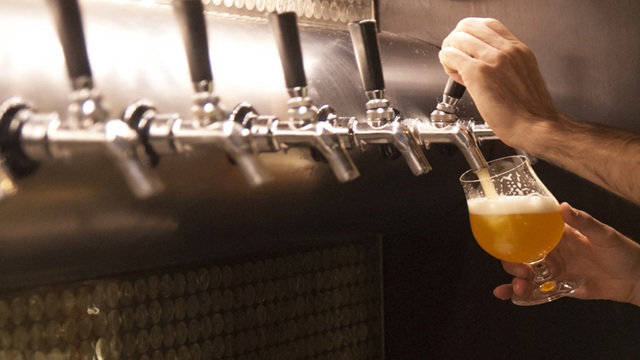
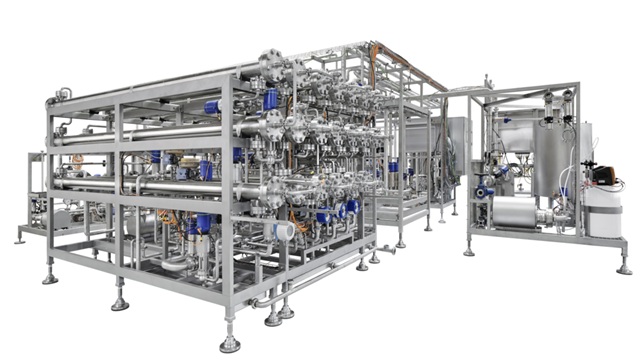
Revos concentration system
Unlock the full potential of beer concentrate with the Alfa Laval Revos™ concentration system. Get uncompromised taste and quality while reducing logistics spend, simplifying distribution, and expanding your reach. Brew as usual, and let Revos transform finished beer into a stable, premium concentrate – up to 22% alcohol by volume (ABV). When rehydrated, it has the same taste, aroma, body, minerals, and alcohol content as the original product. Serve the same great beer, every time.
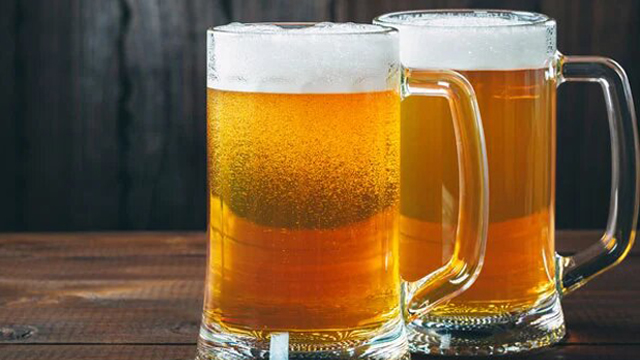
Same taste, same quality – from beer concentrate
- Cut beer volume, not its value: Brew as usual, remove only the water, and lower your logistics spend
- Smaller footprint, stronger story: Reduce emissions by up to 80% through measurable resource efficiency
- Broader reach, minimal investment: Scale globally without new production facilities or quality compromise
- Lower costs, higher margins: Reduce keg costs by 80%. One beer concentrate keg does the work of five
The beer body stays intact. Revos only removes water, leaving aromatics, proteins, minerals, and alcohol untouched. Concentrate beer without compromising taste or your brand.
How does the Revos beer concentration system works
Revos uses a patented two-pass reverse osmosis process engineered to produce premium beer concentrate from both alcoholic and non-alcoholic beer.
In the first pass, chilled beer passes through proprietary membrane elements under high pressure. Water permeates the membranes, while alcohol, proteins, sugars, aromas, and minerals remain in the beer concentrate. In the second pass, the system recovers and retains the alcohol and aromas that are then recombined with the concentrate, ensuring the final concentrate matches the original beer specification.
The result is a high-quality beer concentrate that remains stable during packaging, storage, and transportation until it is rehydrated back into the original beer.
From concentrate to fresh beer - bottled or on draft, just like the original
Ways to handle beer concentrate
Bulk transport and rehydration
Transport beer concentrate in bulk. Rehydrate bulk shipments at a designated facility, then package reconstituted beer into kegs, bottles, or cans.
Direct-to-keg
Ship beer concentrate in kegs directly to restaurants, pubs, or bars and rehydrate on site with a draft system.
Non-alcoholic beer
Handle non-alcoholic beer concentrate the same way as concentrate with alcohol. Rehydrate it using a draft beer system, or add water and bottle it for sale.
Draft dispense system
Ensure perfect taste and temperature with on-demand rehydration. Alfa Laval and Micro Matic offer a compact, draft beer dispensing system that blends cold, carbonated water with alcohol concentrate or non-alcoholic concentrate.
Service
Livsmedelssystemservice
Livsmedelssystemservice
Alfa Lavals livsmedelssystemservice hjälper till att utöka prestandan för dina livsmedelssystem genom att maximera din processprestanda. Detta gör att du kan:
- Ständigt förbättra din verksamhet för att behålla konkurrensfördelar
- Fokusera på drifttid, optimering och tillgänglighet
- Maximera avkastningen på din investering under hela livscykeln för dina livsmedelssystem
Testa Alfa Laval Revos koncentrationssystem. Skicka åtta fat av ditt öl eller din dryck till en av Alfa Lavals två testplatser (antingen i USA eller Danmark) och delta i en test- och prestandagranskning på plats.
Du kan även hyra och testa en enhet i kommersiell skala för att fastställa koncentrats genomströmning och produktkvalitet hos dig.
Frågor kring Revos koncentrationssystem
Hitta svar på de vanligaste frågorna om Revos ölkoncentrationssystem här.
Minska koldioxidutsläpp. Lär dig mer från vårt white pape
Hur kan bryggerier och anläggningar för tillverkning av drycker minska sina koldioxidavtryck samtidigt som verksamheten blir mer effektiv? Att minska direkta och indirekta utsläpp spelar en viktig roll – från inköp av råvaror, el och tillverkning till förpackningar, material och distribution. Det här white paper kommer att fokusera på membranfiltrering med omvänd osmos (RO) för öl- och dryckeskoncentration som ett kostnadseffektivt sätt för tillverkare att minska koldioxidavtrycket från sina leveranskedjor.