Edible oil refining process systems
Het raffineren van ruwe olie tot hoogwaardige eetbare olie begint met controle van elke stap, van ontgomming, neutralisatie en ontwaseming tot bleken en deodoreren om GE en 3-MCPD te verminderen. Elke stap verbetert zuiverheid, veiligheid, smaak en uiterlijk. Met Alfa Laval’s geavanceerde raffinageoplossingen optimaliseert u de productielijn, levert constante kwaliteit, verlaagt kosten en voldoet aan groeiende vraag.
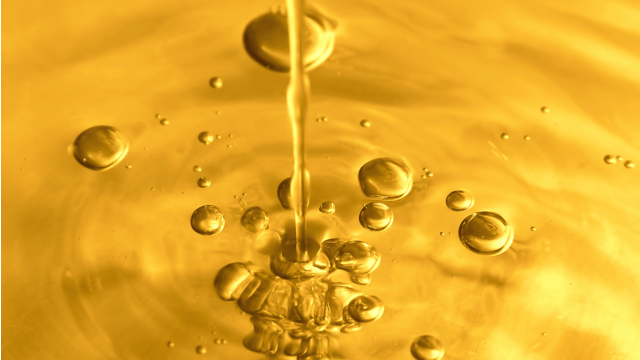
Veelzijdige, betrouwbare en gebruiksvriendelijke systemen voor hoogwaardige eetbare oliën
- Breed scala aan robuuste, betrouwbare en eenvoudig te bedienen componenten, apparatuur en systemen.
- Expertise in het integreren van apparatuur voor eetbare olie in maatwerktoepassingen.
- Ruime ervaring in ontwerp, installatie, inbedrijfstelling, service en ondersteuning van plantaardige olie raffinagesystemen.
- Hoge productkwaliteit en opbrengst met minimale verliezen en lager energie- en waterverbruik.
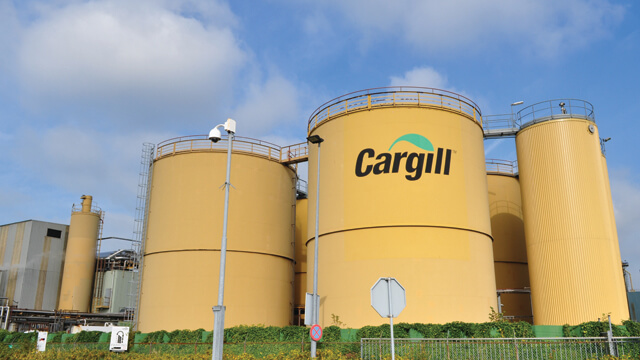
Alfa Laval is volledig verantwoordelijk, en ik hoef me nergens zorgen over te maken." - Henk Vedder, Maintenance Manager, Cargill, Amsterdam.
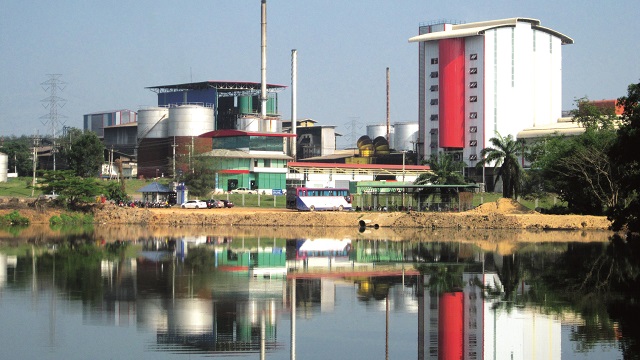
De experts van Alfa Laval weten echt wat ze moeten doen, hoe ze dingen moeten repareren en hoe ze met de problemen moeten omgaan. We staan erop altijd terug te gaan naar Alfa Laval voor service na verkoop. - Haji Matan Ibrahim, Mill Manager/Chief Engineer van Kilang Sawit Bukit Bandi.
We krijgen regelmatig ondersteuning van het Alfa Laval-team. We zijn tevreden met het Alfa Laval-team.” - Ramhari Gaikwad, technisch manager, Shalimar Nutrients.
Ons portfolio van productielijnen voor eetbare olie
Na het persen en klaren, gaat ruwe olie door een reeks raffinageprocessen voor eetbare olie – elk geoptimaliseerd om de productintegriteit en smaak te behouden:
- Ontgomming (water of fysieke raffinage voor het verwijderen van gom)
- Neutralisatie (chemische raffinage voor het verwijderen van vrije vetzuren)
- Ontwasming (koude stabiliteit)
- Bleken (verwijderen van pigmenten en onzuiverheden)
- Deodorisatie onder vacuüm en stoom (vermindering van MCPD en GE)
Gedetailleerde fasen van het raffinageproces van eetbare olie
De ruwe olie wordt overgebracht naar speciale ontgomming in het fysische raffinageproces, naar waterontgomming, of direct naar neutralisatie in het chemische raffinageproces. Bij chemische raffinage reageren vrije vetzuren om waterige zeep te vormen, die uit de olie wordt verwijderd met behulp van centrifuges.
Het fysische raffinageproces van eetbare olie verwijdert bepaalde onzuiverheden – voornamelijk fosfatiden (fosfolipiden of gommen) uit de olie. Sommige oliën, zoals zonnebloem- en maïsolie, ondergaan een ontwasmingsstap om de voorgeschreven koude stabiliteit te bereiken en helderheid bij lage temperaturen te behouden.
Vervolgens verwijdert het bleekproces onzuiverheden, zoals metalen, zeepresten en kleurcomponenten. Ten slotte verlengt deodorisatie de houdbaarheid door restkleur, peroxiden of ongewenste smaakstoffen af te breken.
Vluchtige verbindingen, voornamelijk vetzuren, worden verwijderd door stoomstrippen bij 240°–260°C onder vacuüm. Deze fase produceert ook vetzuurdistillaten, een waardevol bijproduct van fysische raffinage, hoewel minder gebruikelijk bij chemische raffinage.
Om de operationele kosten verder te verlagen, helpen Alfa Laval’s utility process systems bij het reduceren van uw kosten voor energie, water, stoom, brandstof en koelmiddelen in uw eetbare olieraffinaderij.
Optimaliseer uw productielijn voor eetbare olie
Maximaliseer opbrengst, kwaliteit en veiligheid met de raffinageoplossingen voor eetbare olie van Alfa Laval. Met meer dan 3.700 Alfa Laval-patenten – waaronder meer dan 140 specifiek voor eetbare oliesystemen – optimaliseren we elke fase van het raffinageproces. Doorlopend R&D-investeringen zorgen ervoor dat onze apparatuur zich ontwikkelt met innovatieve technologieën om prestaties te verhogen, verliezen te verminderen en efficiëntie te verbeteren.
Of u nu een compleet raffinagesysteem voor eetbare olie installeert of individuele componenten upgrade, Alfa Laval levert oplossingen op maat van uw behoeften. Verwacht een optimaal ontwerp, eenvoudige installatie, intuïtieve bediening, betrouwbare prestaties en minimaal productverlies. Door wereldwijde expertise te combineren met lokale service, behaalt u hogere efficiëntie, lagere levenscycluskosten en sterkere rendementen voor uw bedrijf.
Onze klanten:
Referenties
- Meer dan 500 raffinaderijen (met neutralisatie/ontgomming, bleken, deodoriseren)
- Meer dan 140 ontwasemingsinstallaties
- Meer dan 75 droge fractioneringsinstallaties
- Meer dan 50 hydrogeneringsinstallaties
- Meer dan 30 interesterificatie-installaties
Publicaties
Bekijk een uitgebreide lijst van peer-reviewed publicaties van de ervaren experts van Alfa Laval.
Onze expert zegt
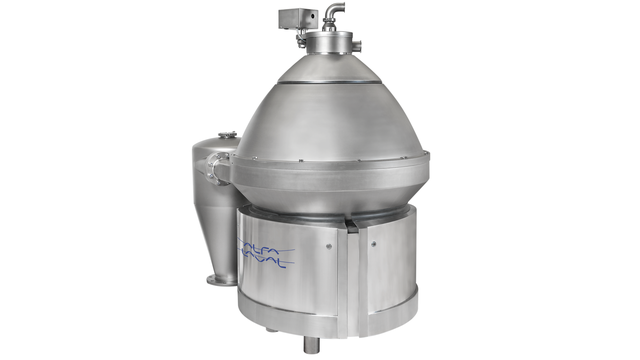
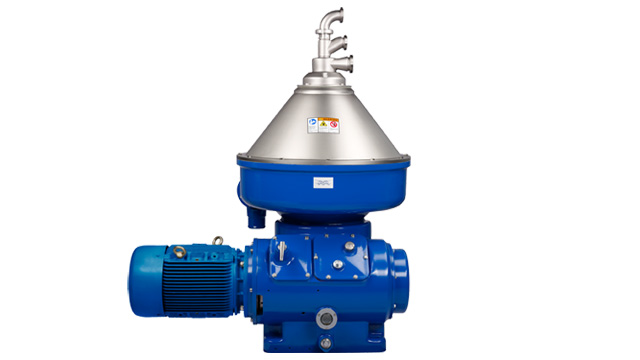
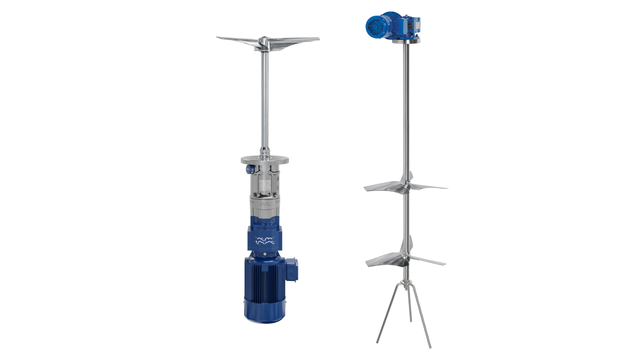
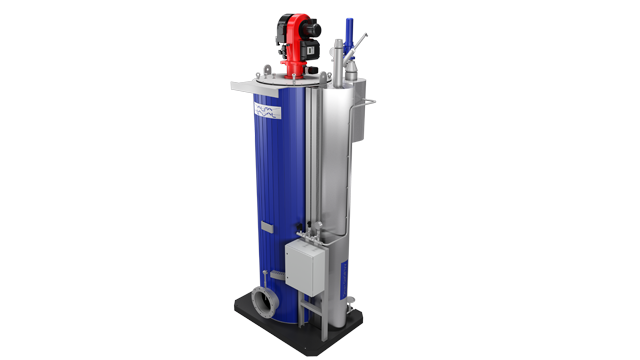
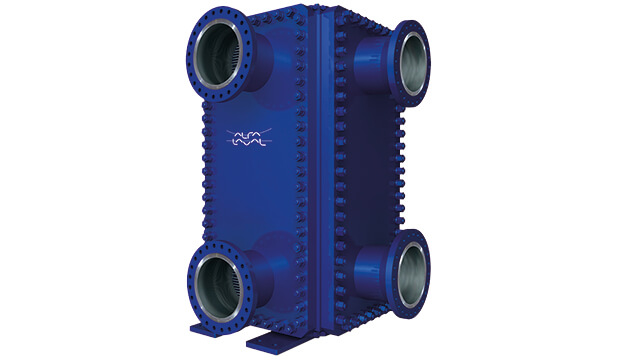
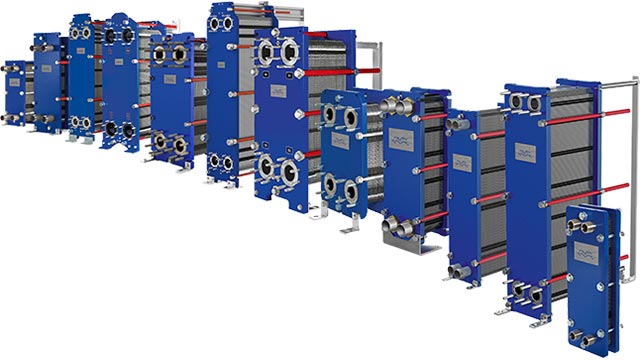
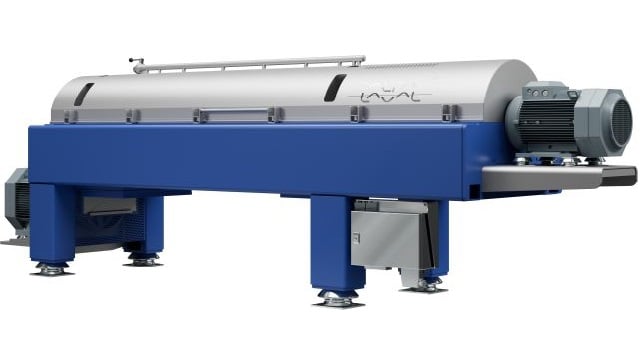
Kernapparatuur voor Alfa Laval eetbare olie raffinaderij:

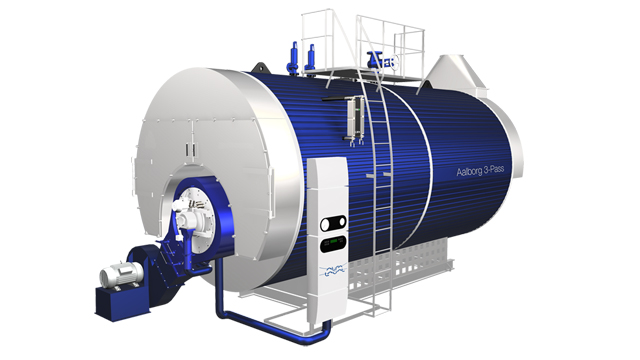
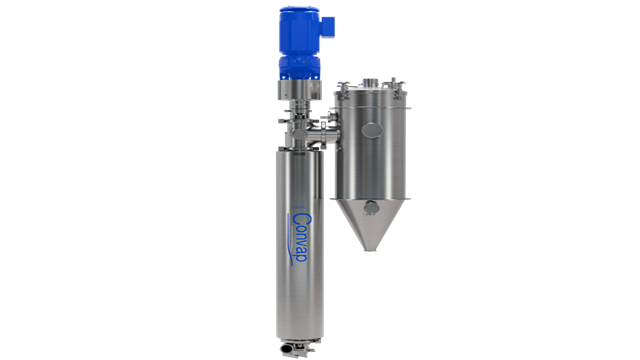
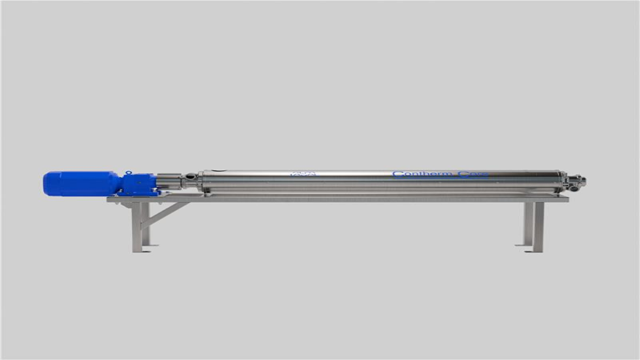
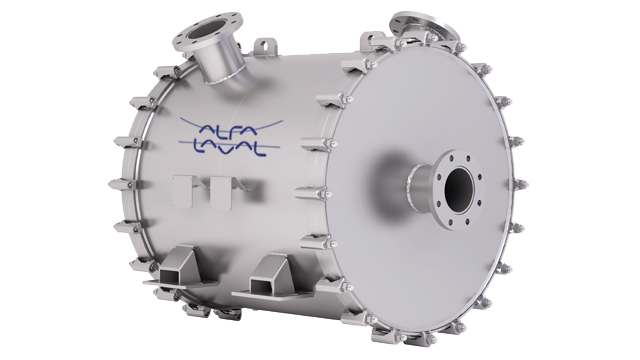
Webinar voor de sector eetbare oliën
Onze deskundigen delen hun knowhow om het raffinageproces voor spijsolie te optimaliseren en onzuiverheden en vluchtige bestanddelen te verwijderen voor een betere productkwaliteit, veiligheid en opbrengst.